ecoSYNTH: Living Interfaces (ZEMIN)

Date 23–25 June 2026

A three-day mini edition with film screenings, installations, talks, performances and more-than-human encounters.
ecoSYNTH: Living Interfaces hosted by Zemin Berlin, curated by Xristina Sarli
23–25 June 2026
@zeminberlin
ecoSYNTH: Living Interfaces
Art, ecology, technology and anti-colonial science
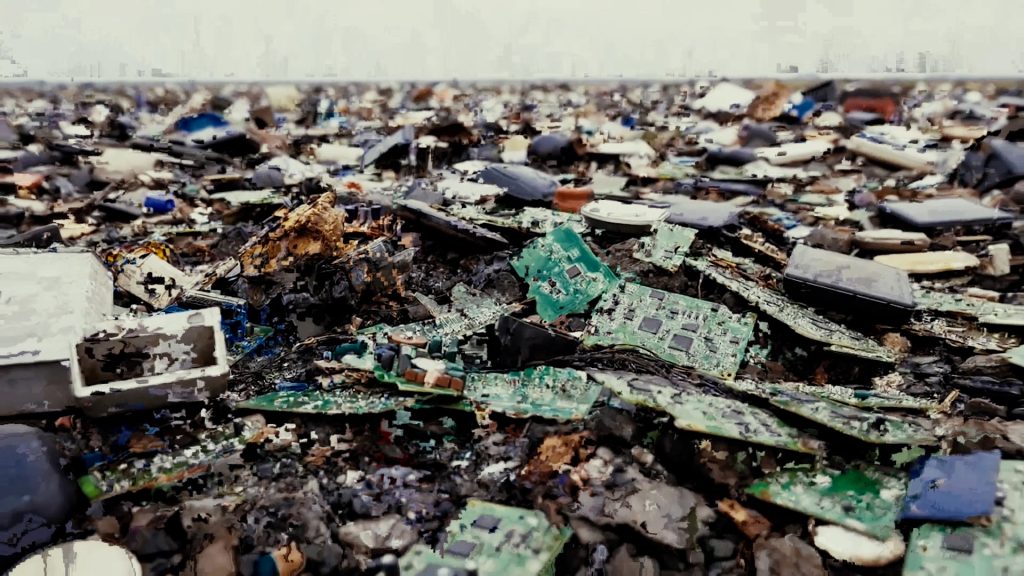
ecoSYNTH is a hybrid film, performance, exhibition and discussion programme exploring ecology through the intersections of art, science, technology, and political practice in an age of global urban extraction. This mini edition hosted in Zemin, Berlin, brings together selected finalists from the ecoSYNTH² (2026) film programme alongside installations, talks, reflections, and performances that ask how artistic research can respond to ecological collapse, war against ecosystems, and the continuous violence of extractive systems.
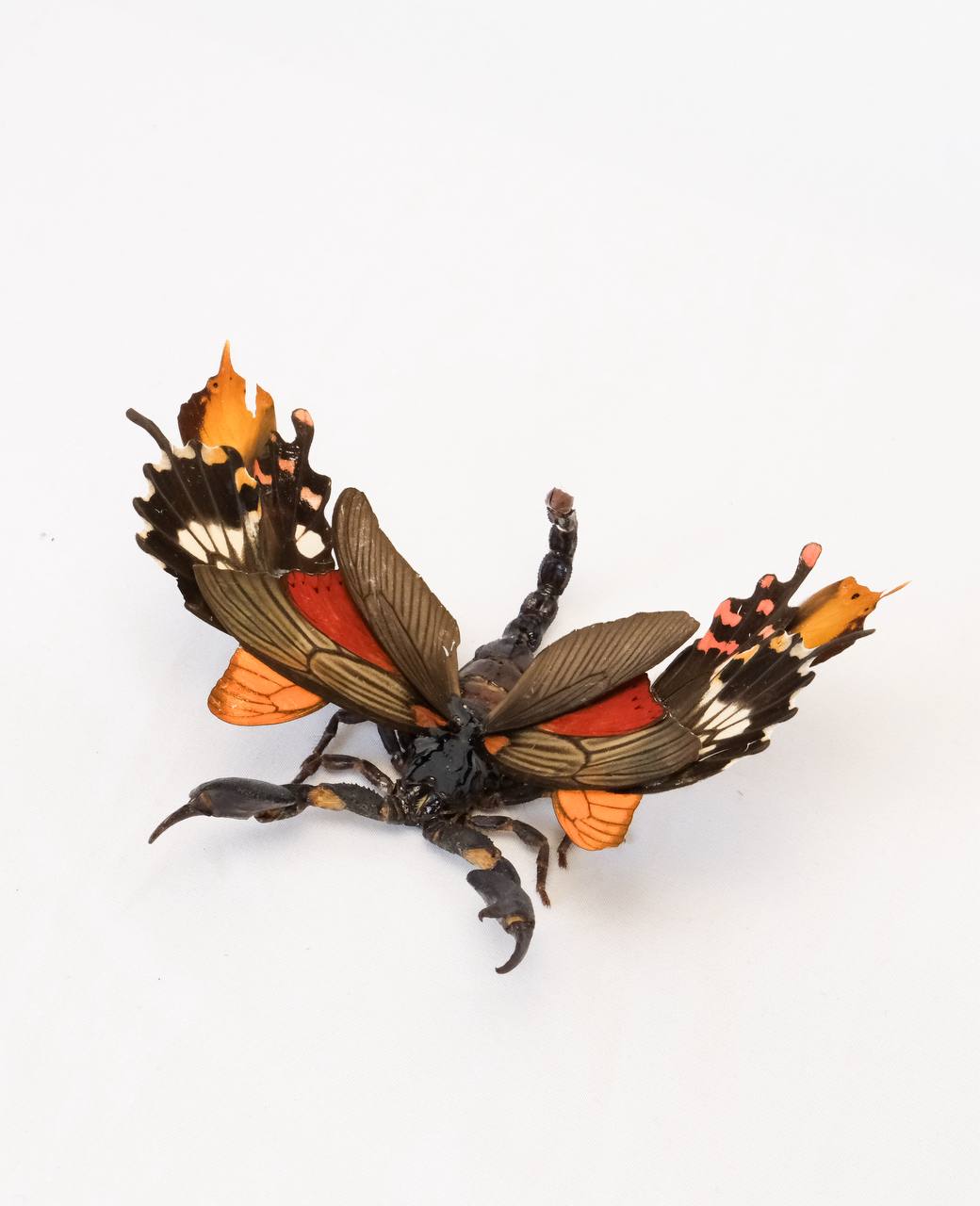
The three-day-programme approaches ecology not only as an environmental question, but as a social, political, and sensory condition. It asks how artists use filmmaking, digital tools, AI, XR, bioart, and hybrid media to archive fragile realities, connect remote communities, camouflage endangered perspectives, and create safer channels for voices speaking from contexts where environmental activism is dangerous or suppressed.
At the centre of ecoSYNTH is the question of how technology can serve anti-colonial science and regenerative culture rather than extraction. Digital media becomes more than a tool of representation: it becomes a way to preserve, transmit, rewild, and share knowledge across distance. In this sense, the programme treats cinema, online networks, and immersive technologies as ecological media engines: systems that can amplify resistance, sustain communities, open spaces for more-than-human storytelling and exit extractivist loops.
Photography by Joana Lucas
Photography by Joana Lucas
23.06.2026 18:00
Film Festival Reflections
The ecoSYNTH² film programme presents selected finalist works in a small cinema setting, accompanied by reflections from participating artists around the world. The session opens a conversation on ecologies of attention, more-than-human storytelling, and the political possibilities of experimental film.
Artists are invited to share how their works engage with ecology, war, pollution, synthetic materials, environmental grief, survival, and resistance. The discussion asks how film can operate as a form of ecological witness, how image-making can carry endangered perspectives, and how artistic practice can make visible the entanglements between bodies, territories, technologies, and damaged ecosystems.
Zemin Cinema 23.06.2026-25.06.2026
Twiggly Twig — Katrin Hahner
Quadratura — Sara Bonaventura
TR333 — april forrest lin 林森
The Birds and I — José J. Martínez
When Flowers Dream of Us — Robert Minassian
Consider — Ж
Preludio de un destello — Nicolás Onischuk
Yagoria — Alina Tofan, Plastic Art Performance Collective
The Memory of Matter — Sofie Santos
L’ Acqua Xe Morta / The Water Is Dead — Benjamin Darville
Performances and More-Than-Human Collaborations
The programme closes with performances that bring living systems, sound, image, and experimental media into direct encounter. These works extend ecoSYNTH beyond the screening room and into embodied, multispecies experience.
Through sonic, visual, and biological processes, the performances ask what it means to collaborate with more-than-human organisms, to listen to damaged ecologies, and to create with materials that decay, mutate, resist, or transform. Here, performance becomes a ritual space for ecological attention: not a spectacle of nature, but a meeting point between bodies, technologies, and living systems.
Zemin Installations 23.06.2026-25.06.2026
Alfie Greenwood
Maria Kobylenko
Matteo Campulla
Carla Lombardo
blanchedevidiot
Yelta Köm
Zemin Performances 23.06.2026 21:00
M2M —AV Performance with Ephémera, synthezia, MermaidBro420
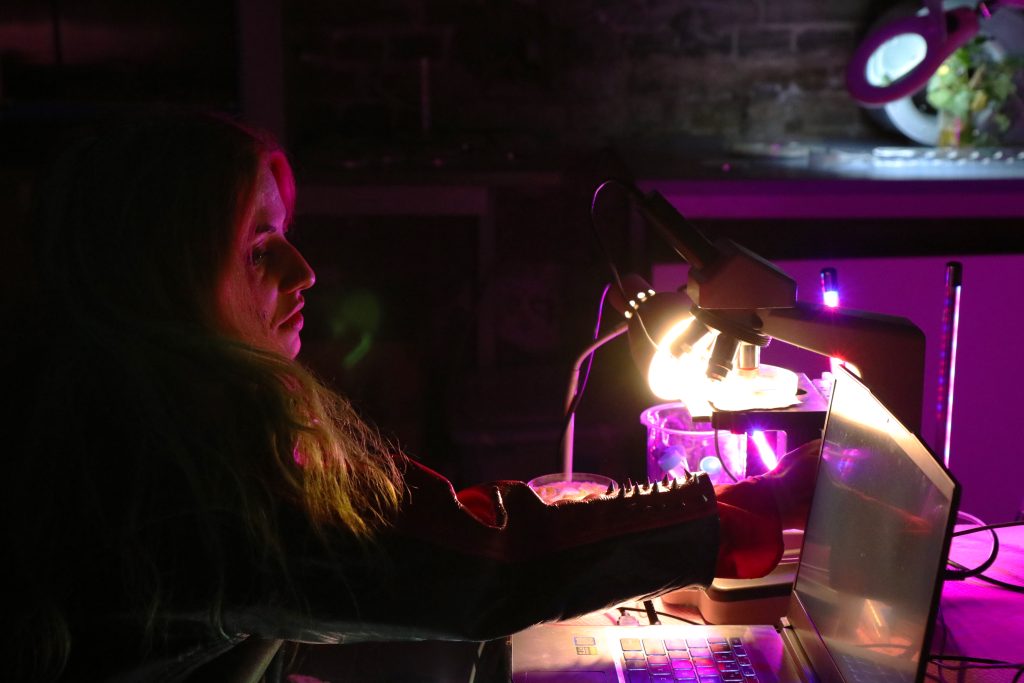
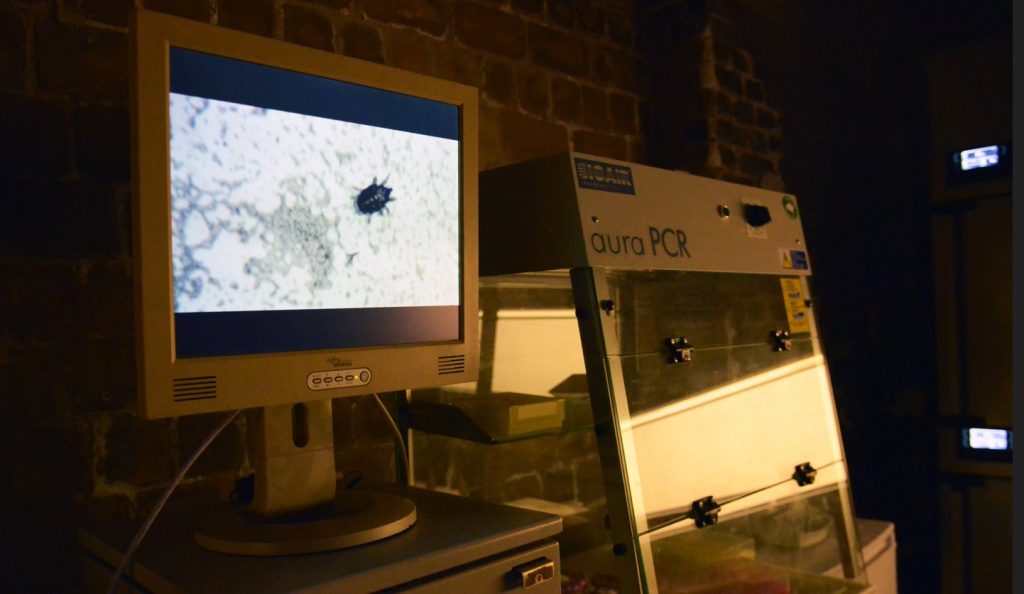
Two microscopes, too many screens, broken rhythms and hot twists wrapped into cocoons of darkness.
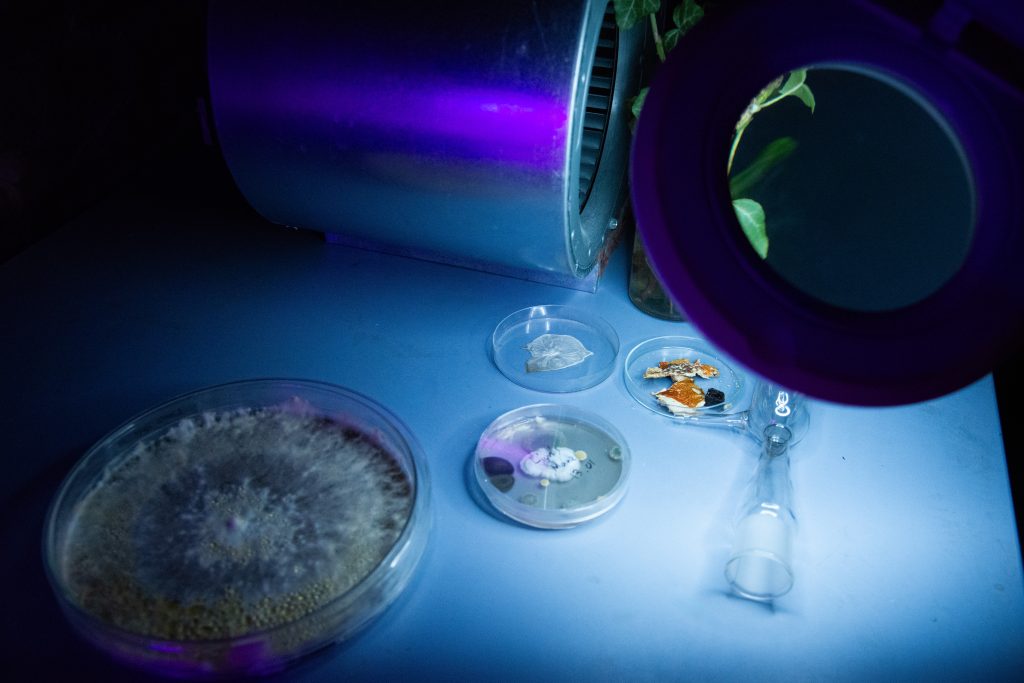
Photography by Joana Lucas
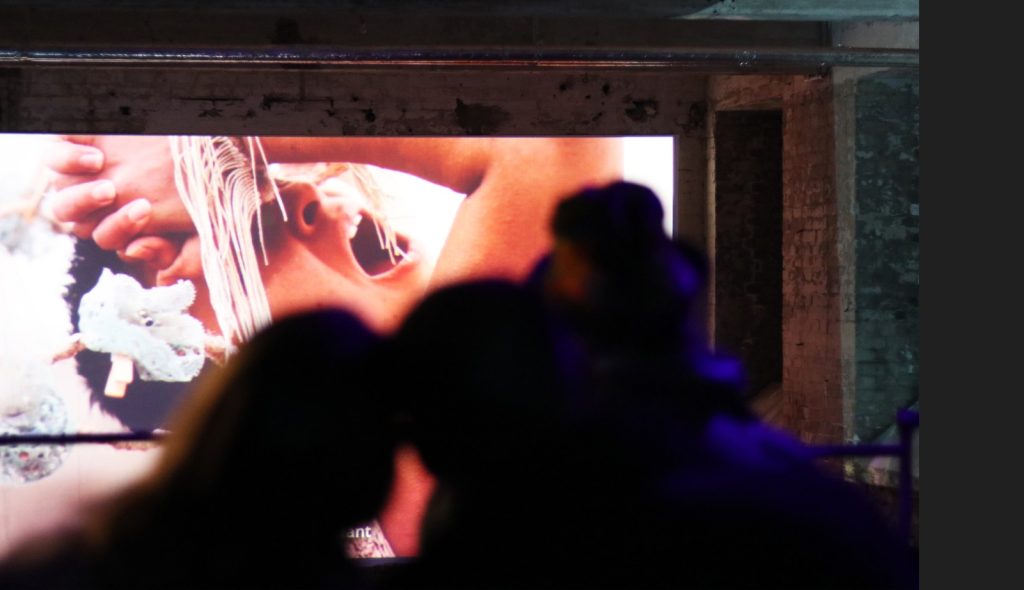
Photography by Joana Lucas
Rather than treating ecological art as a didactic space, ecoSYNTH² frames film as practice-based research: a way of sensing, documenting, warning, mourning, and worldbuilding.
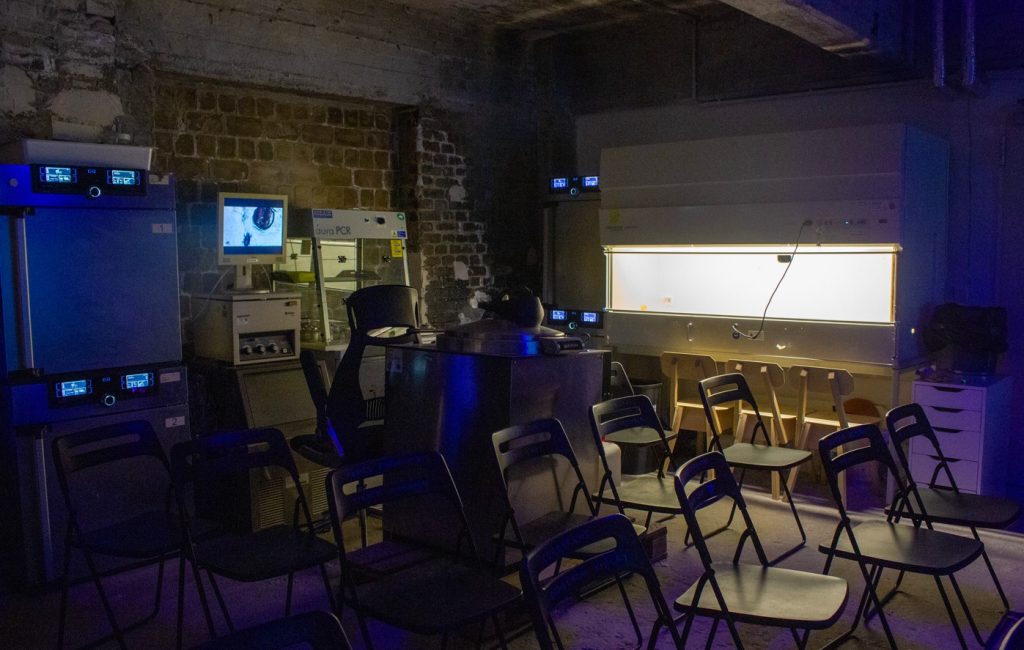
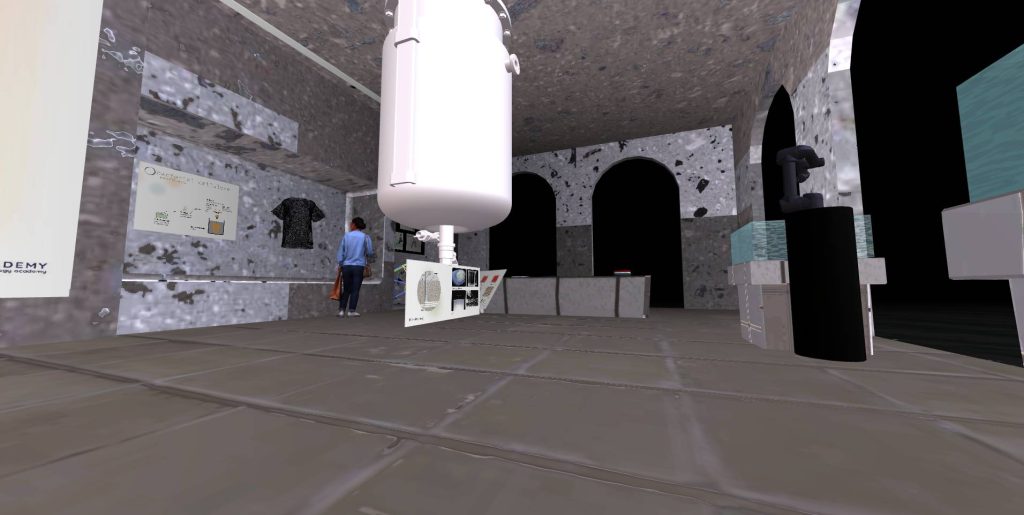
TOP LAB, Xristina Sarli
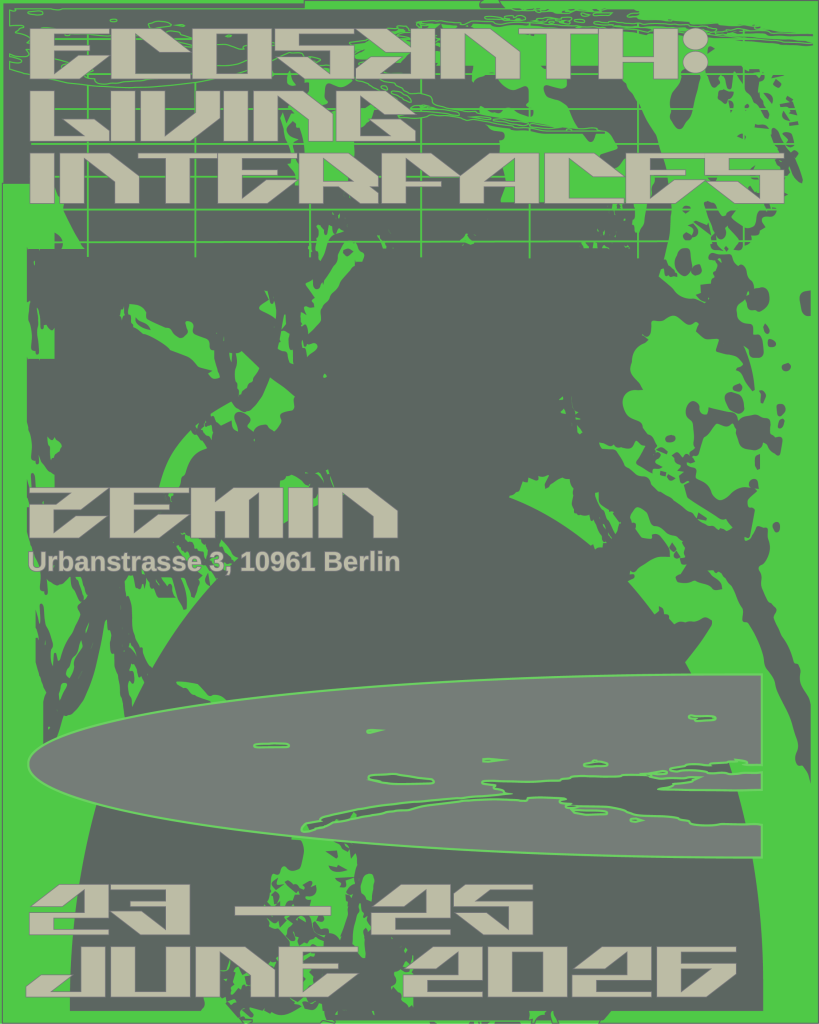
24.06.2026 Doors Open 17:00
with Alve Lagercrantz and Xristina Sarli
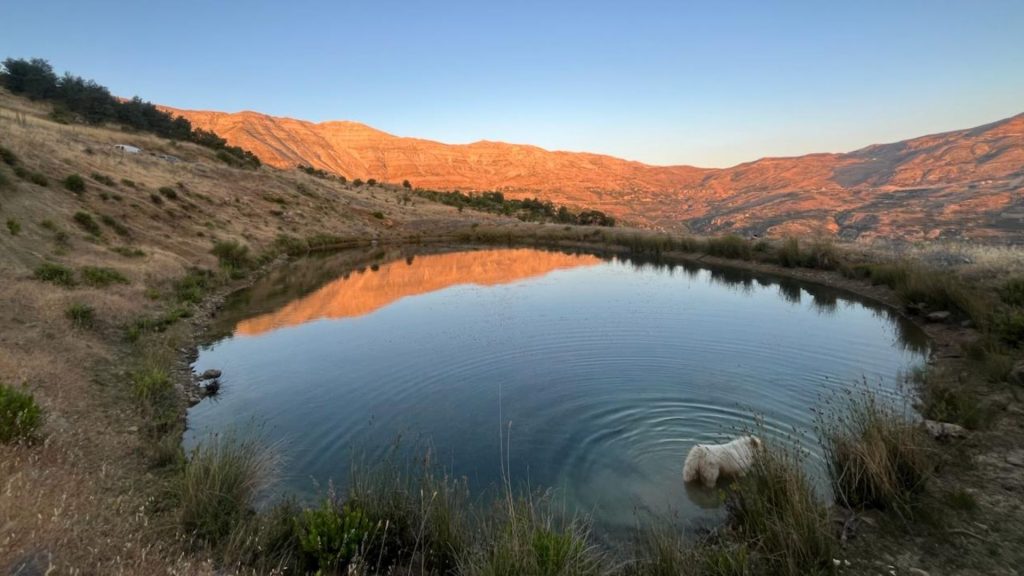
Discussion with TOP Lab Berlin and Terrapods Lebanon 19:00
Community Labs, Biohacking and Networks of Resistance
The second focus of the programme turns toward community laboratories, citizen science, and independent spaces as infrastructures of resistance. How can community-run biolabs, fablabs, and open-access research spaces support ecological knowledge outside institutional and corporate control? What does personal fabrication mean when applied not only to machines, but to biology, food systems, seeds, biomaterials, and local resilience?
This conversation explores the future of community labs and asks whether access to biology can empower communities in the same way that access to software and digital tools once transformed media production. It reflects on the possible futures of synthetic biology, wet labs, cloud labs, and open-source design, while remaining critical of who controls these technologies and who is allowed to benefit from them.
The panel also addresses pollution as colonial violence, ecology as anti-war practice, and the role of art in building networks of resistance against ecocide, genocide, settler colonialism, and environmental erasure. Through the lens of biohacking, agroecology, ancient seeds, bees, fungi, and more-than-human organisms, the discussion asks how artistic and scientific practices can support communities in resisting poisoning memory, and land.
LUCIFERINAS 24.06.2026 20:00
Bioluminescent Mushroom Lecture Performance
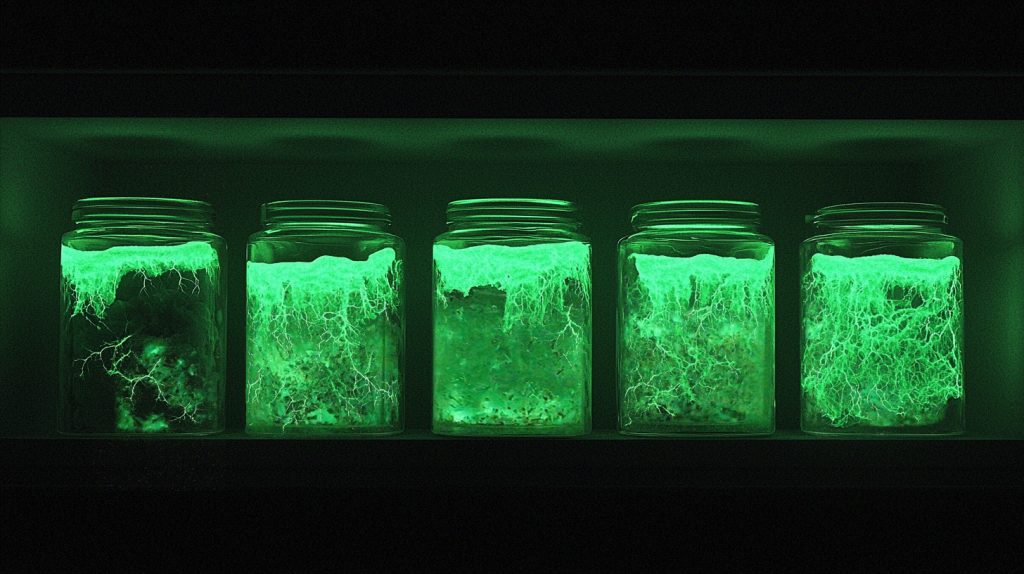
The programme closes with LUCIFERINAS, a bioluminescent mushroom lecture performance that invites participants into direct encounter with organisms that produce their own light. Here, performance becomes a ritual space for ecological attention, where spectacle is not illusion but a living metabolic process.
The performance is part of ongoing research into fungal bioluminescence, a naturally occurring phenomenon found in more than 100 known fungal species worldwide. Bioluminescent fungi emit light through an internal biochemical reaction, without external energy input or added chemicals. Their glow is typically greenish and persists as long as the organism remains alive and metabolically active. Under stable conditions, this form of natural, non-toxic light can be observed for extended periods, sometimes lasting months and, in controlled environments, even years.
In a darkened space, participants are invited to experience fungal light firsthand and learn how and why certain fungi glow. The session opens into a broader reflection on current research, multispecies futures, and frames light as a living process rather than a technological product. These underground light-bearers (Luciferines) ask whether magic was ever supernatural at all, or whether humans simply forgot how to witness the living world.
25.06.2026 18:00
Curator’s Tour
In this curator’s tour, Xristina Sarli guides visitors through the third edition ecoSYNTH: as a living interface of films, performances, organisms, technologies, and political questions. Their curatorial approach moves between bioart, XR, community science, and more-than-human storytelling, treating the exhibition not as a fixed display but as a shared research environment. The tour opens space to think with fungi, digital tools, damaged landscapes, and remote communities, asking how art can become an ecological media engine: a way to archive fragile realities, connect endangered perspectives, and support anti-colonial, regenerative futures.